316 lines
13 KiB
Markdown
316 lines
13 KiB
Markdown
# [postfix](#postfix)
|
|
|
|
Install and configure postfix on your system.
|
|
|
|
|GitHub|GitLab|Quality|Downloads|Version|
|
|
|------|------|-------|---------|-------|
|
|
|[](https://github.com/robertdebock/ansible-role-postfix/actions)|[](https://gitlab.com/robertdebock/ansible-role-postfix)|[](https://galaxy.ansible.com/robertdebock/postfix)|[](https://galaxy.ansible.com/robertdebock/postfix)|[](https://github.com/robertdebock/ansible-role-postfix/releases/)|
|
|
|
|
## [Example Playbook](#example-playbook)
|
|
|
|
This example is taken from `molecule/default/converge.yml` and is tested on each push, pull request and release.
|
|
```yaml
|
|
---
|
|
- name: Converge
|
|
hosts: all
|
|
become: yes
|
|
gather_facts: yes
|
|
|
|
roles:
|
|
- role: robertdebock.postfix
|
|
postfix_relayhost: "[relay.example.com]"
|
|
postfix_myhostname: "smtp.example.com"
|
|
postfix_mydomain: "example.com"
|
|
postfix_myorigin: "example.com"
|
|
postfix_mynetworks:
|
|
- 127.0.0.0/8
|
|
- 192.168.0.0/16
|
|
postfix_aliases:
|
|
- name: root
|
|
destination: test@example.com
|
|
```
|
|
|
|
The machine needs to be prepared. In CI this is done using `molecule/default/prepare.yml`:
|
|
```yaml
|
|
---
|
|
- name: Prepare
|
|
hosts: all
|
|
become: yes
|
|
gather_facts: no
|
|
|
|
roles:
|
|
- role: robertdebock.bootstrap
|
|
- role: robertdebock.core_dependencies
|
|
```
|
|
|
|
Also see a [full explanation and example](https://robertdebock.nl/how-to-use-these-roles.html) on how to use these roles.
|
|
|
|
## [Role Variables](#role-variables)
|
|
|
|
The default values for the variables are set in `defaults/main.yml`:
|
|
```yaml
|
|
---
|
|
# defaults file for postfix
|
|
|
|
# These settings are required in postfix.
|
|
postfix_myhostname: "{{ ansible_fqdn }}"
|
|
postfix_mydomain: "{{ ansible_domain | default('localdomain', true) }}"
|
|
postfix_myorigin: "{{ ansible_domain | default('localdomain', true) }}"
|
|
|
|
# To "listen" on public interfaces, set inet_interfaces to something like
|
|
# "all" or the name of the interface, such as "eth0".
|
|
postfix_inet_interfaces: "loopback-only"
|
|
|
|
# Enable IPv4, and IPv6 if supported - if IPV4 only set to ipv4
|
|
postfix_inet_protocols: all
|
|
|
|
# Set a banner
|
|
postfix_banner: "$myhostname ESMTP $mail_name"
|
|
|
|
# The distination tells Postfix what mails to accept mail for.
|
|
postfix_mydestination: $mydomain, $myhostname, localhost.$mydomain, localhost
|
|
|
|
# To accept email from other machines, set the mynetworks to something like
|
|
# "- 192.168.0.0/24".
|
|
postfix_mynetworks:
|
|
- 127.0.0.0/8
|
|
|
|
# These settings change the role of the postfix server to a relay host.
|
|
# postfix_relay_domains: "$mydestination"
|
|
|
|
# If you want to forward emails to another central relay server, set relayhost.
|
|
# use brackets to sent to the A-record of the relayhost.
|
|
# postfix_relayhost: "[relay.example.com]"
|
|
|
|
# Set the restrictions for receiving mails.
|
|
postfix_smtpd_recipient_restrictions:
|
|
- permit_mynetworks
|
|
- permit_sasl_authenticated
|
|
- reject_unauth_destination
|
|
- reject_invalid_hostname
|
|
- reject_non_fqdn_hostname
|
|
- reject_non_fqdn_sender
|
|
- reject_non_fqdn_recipient
|
|
- reject_unknown_sender_domain
|
|
- reject_unknown_recipient_domain
|
|
- reject_rbl_client sbl.spamhaus.org
|
|
- reject_rbl_client cbl.abuseat.org
|
|
- reject_rbl_client dul.dnsbl.sorbs.net
|
|
- permit
|
|
|
|
postfix_smtpd_sender_restrictions:
|
|
- reject_unknown_sender_domain
|
|
|
|
# The default SMTP TLS security level for the Postfix SMTP client
|
|
# Valid values are: dane, encrypt, fingerprint, may, none, secure, verify
|
|
postfix_smtp_tls_security_level: none
|
|
|
|
# To enable spamassassin, ensure spamassassin is installed,
|
|
# (hint: role: robertdebock.spamassassin) and set these two variables:
|
|
# postfix_spamassassin: enabled
|
|
# postfix_spamassassin_user: spamd
|
|
|
|
# To enable clamav, ensure clamav is installed,
|
|
# (hint: role: robertdebock.clamav) and set this variable:
|
|
# postfix_clamav: enabled
|
|
|
|
# You can configure aliases here. Typically redirecting `root` is a good plan.
|
|
# postfix_aliases:
|
|
# - name: root
|
|
# destination: robert@meinit.nl
|
|
|
|
# You can configure sender access controls here.
|
|
# postfix_sender_access:
|
|
# - domain: gooddomain.com
|
|
# action: OK
|
|
# - domain: baddomain.com
|
|
# action: REJECT
|
|
|
|
# You can configure recipient access controls here.
|
|
# postfix_recipient_access:
|
|
# - domain: gooddomain.com
|
|
# action: OK
|
|
# - domain: baddomain.com
|
|
# action: REJECT
|
|
|
|
# You can disable SSL/TLS versions here.
|
|
# postfix_tls_protocols: '!SSLv2, !SSLv3, !TLSv1, !TLSv1.1'
|
|
|
|
# You can supply a transport_maps Jinja2 template here
|
|
# postfix_transport_maps_template: /path/to/transport.j2
|
|
|
|
# You can supply a header_checks Jinja2 template here
|
|
# postfix_header_checks_template: /path/to/header_checks.j2
|
|
|
|
# Whether or not to use the local biff service.
|
|
# postfix_biff: yes
|
|
|
|
# With locally submitted mail, append the string ".$mydomain" to addresses that have no ".domain" information
|
|
# postfix_append_dot_mydomain: no
|
|
|
|
# The alias databases that are used for local(8) delivery
|
|
# postfix_alias_maps: "hash:/etc/aliases"
|
|
|
|
# A prefix that the virtual(8) delivery agent prepends to all pathname results from $virtual_mailbox_maps table lookups.
|
|
# postfix_virtual_mailbox_base: /var/mail
|
|
|
|
# Optional lookup tables with all valid addresses in the domains that match $virtual_mailbox_domains.
|
|
# postfix_virtual_mailbox_maps: mysql:/etc/postfix/mysql-virtual_mailbox_maps.cf
|
|
|
|
# Postfix is final destination for the specified list of domains; mail is delivered via the $virtual_transport mail delivery transport
|
|
# postfix_virtual_mailbox_domains: "$virtual_mailbox_maps"
|
|
|
|
# Postfix is final destination for the specified list of virtual alias domains, that is, domains for which all addresses are aliased to addresses in other local or remote domains.
|
|
# postfix_virtual_alias_domains: "$virtual_alias_maps"
|
|
|
|
# Optional lookup tables that alias specific mail addresses or domains to other local or remote address.
|
|
# postix_virtual_alias_maps: "$virtual_maps"
|
|
|
|
# Lookup tables with the per-recipient user ID that the virtual(8) delivery agent uses while writing to the recipient's mailbox.
|
|
# postfix_virtual_uid_maps: "static:2000"
|
|
|
|
# Lookup tables with the per-recipient group ID for virtual(8) mailbox delivery.
|
|
# postfix_virtual_gid_maps: "static:2000"
|
|
|
|
# Enable SASL authentication in the Postfix SMTP server.
|
|
# postfix_smtpd_sasl_auth_enable: yes
|
|
|
|
# The name of the Postfix SMTP server's local SASL authentication realm.
|
|
# postfix_smtpd_sasl_local_domain: $myhostname
|
|
|
|
# Postfix SMTP server SASL security options; as of Postfix 2.3 the list of available features depends on the SASL server implementation that is selected with smtpd_sasl_type.
|
|
# postfix_smtpd_sasl_security_options: noanonymous
|
|
|
|
# Report the SASL authenticated user name in the smtpd(8) Received message header.
|
|
# postfix_smtpd_sasl_authenticated_header: yes
|
|
|
|
# Enable interoperability with remote SMTP clients that implement an obsolete version of the AUTH command (RFC 4954).
|
|
# postfix_broken_sasl_auth_clients: no
|
|
|
|
# A file containing (PEM format) CA certificates of root CAs trusted to sign either remote SMTP client certificates or intermediate CA certificates.
|
|
# postfix_smtpd_tls_CAfile: /etc/letsencrypt/live/smtp.syhosting.ch/chain.pem
|
|
|
|
# File with the Postfix SMTP server RSA certificate in PEM format.
|
|
# postfix_smtpd_tls_cert_file: /etc/letsencrypt/live/smtp.syhosting.ch/cert.pem
|
|
|
|
# File with the Postfix SMTP server RSA private key in PEM format.
|
|
# postfix_smtpd_tls_key_file: /etc/letsencrypt/live/smtp.syhosting.ch/privkey.pem
|
|
|
|
# Request that the Postfix SMTP server produces Received: message headers that include information about the protocol and cipher used, as well as the remote SMTP client CommonName and client certificate issuer CommonName.
|
|
# postfix_smtpd_tls_received_header: yes
|
|
|
|
# The default SMTP TLS security level for the Postfix SMTP client; when a non-empty value is specified, this overrides the obsolete parameters smtp_use_tls, smtp_enforce_tls, and smtp_tls_enforce_peername.
|
|
# postfix_smtpd_tls_security_level: may
|
|
|
|
# Ask a remote SMTP client for a client certificate.
|
|
# postfix_smtpd_tls_ask_ccert: yes
|
|
|
|
# Enable additional Postfix SMTP server logging of TLS activity.
|
|
# postfix_smtpd_tls_loglevel: 1
|
|
|
|
# Name of the file containing the optional Postfix SMTP server TLS session cache.
|
|
# postfix_smtpd_tls_session_cache_database: btree:/var/lib/postfix/smtpd_tls_session_cache
|
|
|
|
# A file containing CA certificates of root CAs trusted to sign either remote SMTP server certificates or intermediate CA certificates.
|
|
# postfix_smtp_tls_CAfile: /etc/letsencrypt/live/smtp.syhosting.ch/chain.pem
|
|
|
|
# File with the Postfix SMTP client RSA certificate in PEM format.
|
|
# postfix_smtp_tls_cert_file: /etc/letsencrypt/live/smtp.syhosting.ch/cert.pem
|
|
|
|
# File with the Postfix SMTP client RSA private key in PEM format.
|
|
# postfix_smtp_tls_key_file: /etc/letsencrypt/live/smtp.syhosting.ch/privkey.pem
|
|
|
|
# Name of the file containing the optional Postfix SMTP client TLS session cache.
|
|
# postfix_smtp_tls_session_cache_database: btree:/var/lib/postfix/smtp_tls_session_cache
|
|
|
|
# The external entropy source for the in-memory tlsmgr(8) pseudo random number generator (PRNG) pool.
|
|
# postfix_tls_random_source: dev:/dev/urandom
|
|
|
|
# TLS protocols accepted by the Postfix SMTP server with mandatory TLS encryption.
|
|
# postfix_smtpd_tls_mandatory_protocols: TLSv1
|
|
|
|
# TLS protocols that the Postfix SMTP client will use with mandatory TLS encryption.
|
|
# postfix_smtp_tls_mandatory_protocols: TLSv1
|
|
|
|
# The default mail delivery transport and next-hop destination for final delivery to domains listed with $virtual_mailbox_domains.
|
|
# postfix_virtual_transport: maildrop1
|
|
|
|
# Optional pathname of a mailbox file relative to a local(8) user's home directory.
|
|
# postfix_home_mailbox: Maildir/
|
|
|
|
# The maximal size in bytes of a message, including envelope information.
|
|
# postfix_message_size_limit: 10240000
|
|
|
|
# Require that a remote SMTP client introduces itself with the HELO or EHLO command before sending the MAIL command or other commands that require EHLO negotiation.
|
|
# postfix_smtpd_helo_required: no
|
|
|
|
# The time unit over which client connection rates and other rates are calculated.
|
|
# postfix_anvil_rate_time_unit: 60s
|
|
|
|
# The maximal number of connection attempts any client is allowed to make to this service per time unit.
|
|
# postfix_smtpd_client_connection_rate_limit: 10
|
|
|
|
# How many simultaneous connections any client is allowed to make to this service.
|
|
# postfix_smtpd_client_connection_count_limit: 10
|
|
|
|
# Consider a bounce message as undeliverable, when delivery fails with a temporary error, and the time in the queue has reached the bounce_queue_lifetime limit.
|
|
# postfix_bounce_queue_lifetime: 5d
|
|
|
|
# The location of Postfix README files that describe how to build, configure or operate a specific Postfix subsystem or feature.
|
|
# postfix_readme_directory: /usr/share/doc/postfix
|
|
|
|
# The location of Postfix HTML files that describe how to build, configure or operate a specific Postfix subsystem or feature.
|
|
# postfix_html_directory: /usr/share/doc/postfix/html
|
|
```
|
|
|
|
## [Requirements](#requirements)
|
|
|
|
- pip packages listed in [requirements.txt](https://github.com/robertdebock/ansible-role-postfix/blob/master/requirements.txt).
|
|
|
|
## [Status of used roles](#status-of-requirements)
|
|
|
|
The following roles are used to prepare a system. You can prepare your system in another way.
|
|
|
|
| Requirement | GitHub | GitLab |
|
|
|-------------|--------|--------|
|
|
|[robertdebock.bootstrap](https://galaxy.ansible.com/robertdebock/bootstrap)|[](https://github.com/robertdebock/ansible-role-bootstrap/actions)|[](https://gitlab.com/robertdebock/ansible-role-bootstrap)|
|
|
|[robertdebock.core_dependencies](https://galaxy.ansible.com/robertdebock/core_dependencies)|[](https://github.com/robertdebock/ansible-role-core_dependencies/actions)|[](https://gitlab.com/robertdebock/ansible-role-core_dependencies)|
|
|
|
|
## [Context](#context)
|
|
|
|
This role is a part of many compatible roles. Have a look at [the documentation of these roles](https://robertdebock.nl/) for further information.
|
|
|
|
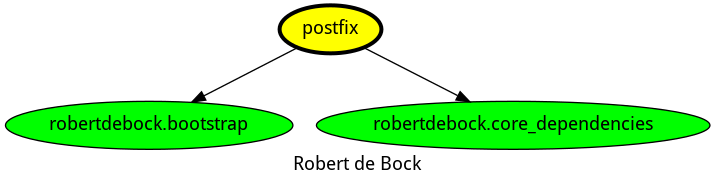
Here is an overview of related roles:
|
|
|
|
|
|
## [Compatibility](#compatibility)
|
|
|
|
This role has been tested on these [container images](https://hub.docker.com/u/robertdebock):
|
|
|
|
|container|tags|
|
|
|---------|----|
|
|
|amazon|2018.03|
|
|
|el|7, 8|
|
|
|debian|all|
|
|
|fedora|all|
|
|
|ubuntu|all|
|
|
|
|
The minimum version of Ansible required is 2.10, tests have been done to:
|
|
|
|
- The previous version.
|
|
- The current version.
|
|
- The development version.
|
|
|
|
|
|
If you find issues, please register them in [GitHub](https://github.com/robertdebock/ansible-role-postfix/issues)
|
|
|
|
## [License](#license)
|
|
|
|
Apache-2.0
|
|
|
|
## [Author Information](#author-information)
|
|
|
|
[Robert de Bock](https://robertdebock.nl/)
|
|
|
|
Please consider [sponsoring me](https://github.com/sponsors/robertdebock).
|